What We Do
Children
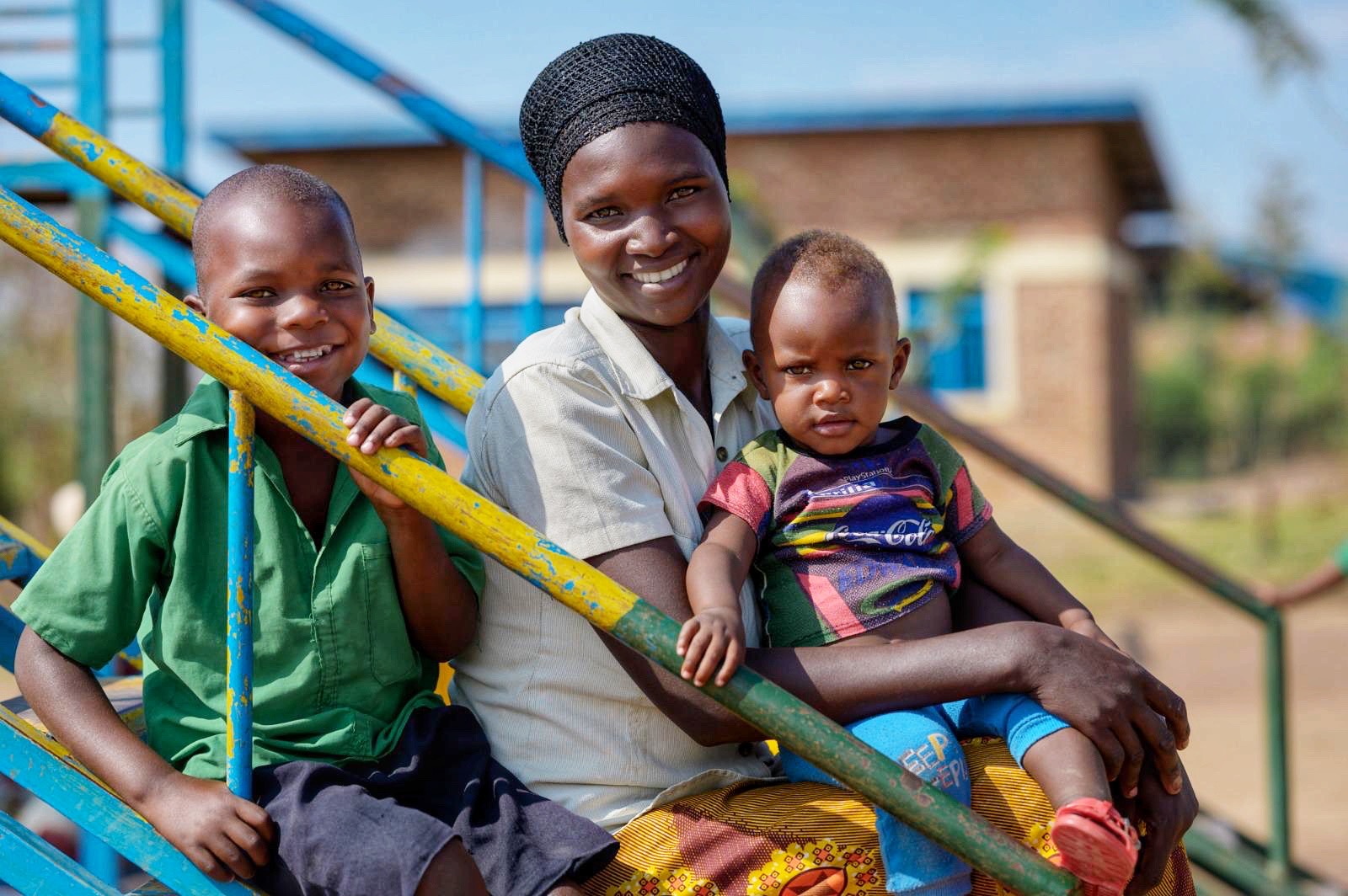
Young children 0 to 14 years
“It takes a village to raise a child.”
– African Proverb


Education
Every child can flourish with quality, inclusive education in a safe and nurturing environment—an education that provides a solid foundation for the child to reach their full potential. AEE Rwanda supports children’s education at the early childhood development (ECD) stage as well as in primary and secondary schools. We recognize the crucial role that the home plays in supporting formal education, and include interventions aimed at strengthening families’ ability to support their children’s learning. Our programs enhance the quality and accessibility of basic education, from early childhood through to senior school, including non-formal and alternative education options.
Early Childhood Development
Early Childhood Development Centers (ECDCs) support the intellectual, physical, and social growth of children aged three to five through age-appropriate, structured learning and play. To make sure ECDCs are accessible to parents and children, AEE Rwanda backs small home-based ECDCs as well as larger community-based and school-linked ECDCs. AEE Rwanda constructs new facilities or refurbishes and stocks existing ones, and trains early childhood caregivers and teachers. Beyond providing play and education for children, ECDCs are vital for parents, especially those who work daily to support their families. Dropping a child off at an ECDC in the morning allows parents, mainly mothers, to work without needing to worry about their young children being left alone at home or out in the fields in the sun or rain. Feeding programs at ECDCs offer children nutritious, balanced meals while also involving parents in meal preparation, giving them valuable health and nutrition knowledge they can apply at home. The caregivers and teachers at ECDCs are trained to observe children for developmental issues and collaborate with parents, referring them to local health services when necessary.
Primary and Secondary School
All children should have the chance to join Rwanda’s twelve-year formal education system, regardless of their social or economic background. AEE Rwanda helps thousands of students from disadvantaged families each year by providing essential support resources, including uniforms and school supplies. In addition, we recognise the role of the home in a child’s learning and access to longer-term education. For this reason, we also focus on supporting families through programs that increase household income, educate on the benefits of a balanced diet, and offer parents access to adult literacy training.

Nutrition
Ensuring all children receive adequate nourishment is essential. AEE Rwanda integrates nutrition-focused initiatives across projects, including early childhood development centers (ECDs), savings and self-help groups, and improved agriculture programs. We provide practical training in nutrition through household, school, and community-based kitchen garden projects. Community health workers, attached to nutrition groups, teach mothers how to grow and source foods for an affordable, balanced diet. Parents also share tips at regular community kitchen events.

Safety & Protection
Every child has the right to grow up free from abuse, violence, and neglect. As a child-focused organization, this is our highest priority. Children need to grow up in families and communities that are free from abuse and violence, especially gender-based violence. AEE Rwanda works to prevent violence through training and awareness campaigns that change family and community mindsets regarding children, women, and conflict resolution. By fostering safer, more supportive environments, we help ensure that every child can reach their full potential.
Child Rights
For children’s rights to be met, children, parents, and communities must understand the rights children hold and the responsibilities parents and communities have to uphold those rights. AEE Rwanda engages children and adolescents through clubs and groups facilitated by trained caregivers or mentors. These groups not only educate children on their rights and how to claim them, but also provide a safe space for them to share their personal experiences. AEE Rwanda also collaborates with parents, local government authorities, and other organizations to ensure that children’s rights are clearly understood and upheld. When a child’s rights are not being met or if a child is experiencing abuse, AEE Rwanda community workers work directly to address the issue or refer it to local authorities for resolution.
Safeguarding
Children participating in AEE Rwanda projects are often vulnerable. AEE Rwanda employs safeguarding strategies to ensure that these children are not harmed by those working with them. The strategies include training workers and volunteers from AEE Rwanda and partner organizations on rights and responsibilities, as well as establishing safe channels through which abuse can be reported.